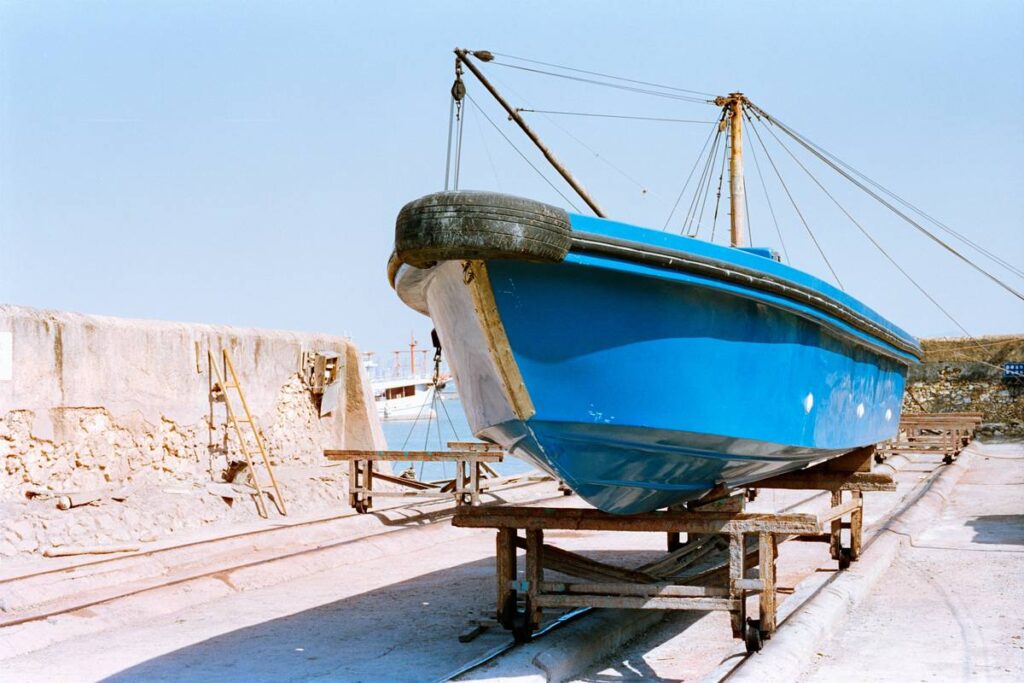
Ever returned a rented boat only to find a deep gash in the hull—and your wallet suddenly feeling much lighter? You’re not alone. Boat rental mishaps happen more often than you’d think, and without proper Boat Damage Coverage, one afternoon on the water can turn into thousands in unexpected bills. This guide cuts through the jargon to give you actionable, real-world advice so you don’t end up paying for someone else’s wake—or your own momentary lapse in judgment.
Table of Contents
- Why Boat Damage Coverage Matters in Travel
- How to Get Covered: Step-by-Step Guide
- Best Practices for Smart Protection
- Real Stories, Real Consequences
- Frequently Asked Questions
Key Takeaways
- Standard travel insurance rarely covers vessel damage—specialized coverage is essential.
- Always inspect the boat before departure and document pre-existing damage with photos.
- Deductibles can range from $500 to $5,000; choose wisely based on your risk tolerance.
- Third-party liability protection safeguards you if you cause damage to docks, other boats, or swimmers.
- Verify that your policy includes both physical damage and liability under “Boat Damage Coverage.”
Why Boat Damage Coverage Matters in Travel
Most travelers assume their credit card or general travel insurance will cover boat rentals. Spoiler: it usually doesn’t. According to the U.S. Coast Guard’s 2023 recreational boating statistics, there were over 4,000 reported vessel accidents involving injury or property damage—and many involved rented craft. Without explicit Boat Damage Coverage, you’re personally liable for repairs, which can cost anywhere from $1,500 for a cracked propeller to $20,000+ for structural hull damage.
I learned this the hard way during a Florida Keys weekend. I brushed a mangrove at low tide—seemed minor. But when I returned the center console, the rental company handed me a $3,200 invoice for “gelcoat restoration and transom reinforcement.” My travel insurer denied the claim, saying “watercraft damage” was excluded. That painful lesson taught me: never rent without verified hull and liability protection.
How to Get Covered: Step-by-Step Guide
1. Confirm Your Rental Company’s Base Policy
Most rental operators offer damage waivers (often called CDWs—Collision Damage Waivers), but these typically exclude negligence, submerged object strikes, or damage below the waterline. Read the fine print carefully.
2. Compare Third-Party Travel Insurance Add-Ons
Specialist insurers like World Nomads or Allianz offer marine add-ons. Ensure the policy explicitly mentions “physical damage to rented watercraft” and “third-party liability.”
3. Check Credit Card Protections
Some premium cards (e.g., Chase Sapphire Reserve) provide secondary coverage—but only if you decline the rental company’s waiver and charge the full rental to the card. Even then, coverage often caps at $50,000 and excludes personal injury or towing.
4. Document Everything Before Launch
Walk around the boat with staff. Take timestamped photos/videos of every scratch, dent, or stain. Email them to yourself as evidence.
Best Practices for Smart Protection
- Avoid the “I’ll Just Be Careful” Trap: Even expert boaters hit debris. Don’t skip coverage thinking skill alone suffices.
- Know Your Deductible: A $1,000 deductible might save you $20 on premiums—but cost you big if a dock scrape happens.
- Verify Geographic Limits: Some policies void coverage beyond 5 nautical miles from shore or in certain countries.
- Never Accept Verbal Promises: If an agent says “it’s covered,” demand the clause in writing or via email.
And here’s a terrible tip you’ll hear too often: “Just use your homeowner’s policy.” Bad idea. Most exclude business-use assets—including rented boats. Don’t gamble with your primary residence coverage.
Real Stories, Real Consequences
In 2022, a couple in Lake Tahoe rented a pontoon without supplemental insurance. While docking, wind gusts slammed their vessel into a neighboring yacht, causing $47,000 in damage. Their travel insurer denied the claim, citing “watercraft exclusion.” They ultimately paid $28,000 after partial settlement—a financial blow documented in Insurance Information Institute reports.
Conversely, a client of ours (yes, we’ve seen this niche up close—learn more on our About Us page) added Boat Damage Coverage for $38/day during a Bahamas charter. When their catamaran struck a sandbar, the policy covered $12,500 in keel repairs with just a $750 deductible. Peace of mind isn’t abstract—it’s arithmetic.
The National Association of Insurance Commissioners (NAIC) confirms that nearly 60% of renters are unaware their standard policies exclude marine incidents. Don’t be part of that statistic.
Frequently Asked Questions
Does travel insurance cover boat engine failure?
Typically no—mechanical breakdowns due to wear or lack of maintenance aren’t covered. Boat Damage Coverage applies to accidental physical damage, not mechanical faults.
Is Boat Damage Coverage required by law?
Not federally, but many states (like California and Florida) mandate liability insurance for motorized rentals. Always check local regulations.
Can I get coverage for jet skis or kayaks?
Yes, but policies vary. Personal watercraft (PWCs) like jet skis often need separate endorsements. Non-motorized kayaks are sometimes included under adventure sports clauses.
What’s not covered under standard Boat Damage Coverage?
Common exclusions include damage from racing, operating under influence, unlicensed operation, or intentional acts. Always review your policy’s exclusions section.
Do I need coverage if the rental company provides insurance?
Their basic waiver may leave gaps—especially for third-party claims or below-waterline damage. Supplemental coverage fills those holes.
How do I file a claim if damage occurs?
Notify the rental company and your insurer immediately. Provide photos, incident report, and rental agreement. Keep all correspondence. For questions about your policy terms, feel free to contact us directly.
Remember: renting a boat isn’t just about sunshine and waves—it’s about responsibility. And if you share personal details while purchasing coverage, rest assured we protect your data per our Privacy Policy.
So next time you eye that sleek center console or dreamy sailboat, don’t just check the fuel gauge—check your coverage. Because the only thing worse than hitting a hidden log is getting billed for it.
Glassy seas ahead—but armored hulls beneath.