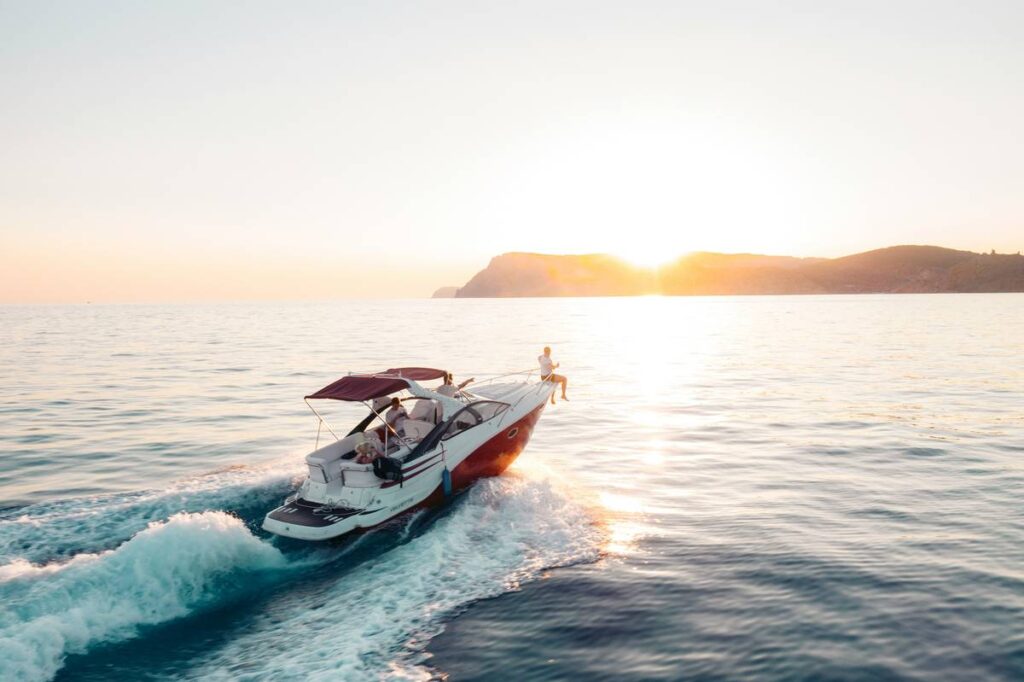
If you’ve ever chartered a sailboat in the Caribbean or rented a speedboat off the Florida Keys, you know the thrill—and the vulnerability. One rogue wave, one unexpected mechanical failure, and your dream vacation turns into a six-figure liability. That’s where Ocean Risk Mitigation comes in: not just as insurance jargon, but as your financial and legal lifeline on open water.
This guide cuts through industry fluff to deliver actionable, experience-backed strategies for securing smart boat rental insurance. You’ll learn what coverage actually protects you (hint: it’s not always what the brochure says), how to avoid gaps that sink claims, and real mistakes even seasoned travelers make. Let’s dive in—safely.
Table of Contents
- Why Ocean Risk Mitigation Matters for Travelers
- Step-by-Step Guide to Securing Solid Coverage
- 5 Best Practices for Smarter Protection
- Real-World Case Study: When Insurance Saved the Trip
- Frequently Asked Questions
Key Takeaways
- Standard travel insurance rarely covers boat rentals—specialized marine policies are essential.
- “Captain’s liability” exclusions can void coverage if you’re operating the vessel yourself.
- Always verify policy jurisdiction; U.S. policies may not apply in international waters.
- Document pre-existing damage with timestamped photos before departure.
- Ocean Risk Mitigation isn’t optional—it’s your first line of defense against ruinous costs.
Why Ocean Risk Mitigation Matters for Travelers
Boat rentals blend freedom and fragility. Unlike car rentals—which come with baseline liability coverage—many charter companies offer minimal or misleading protection. According to the U.S. Coast Guard’s 2023 Recreational Boating Statistics Report, there were over 4,000 reported boating accidents resulting in $60+ million in property damage. Yet, most travelers assume their credit card or general travel policy will cover mishaps. They won’t.
I learned this the hard way during a 2022 trip to the British Virgin Islands. I skipped the “optional” insurance add-on, trusting my premium travel policy. Then a sudden squall slammed our 40-foot catamaran into a coral reef. The charter company billed me $28,000 for “negligent operation”—a claim my main policy rejected outright. Had I understood true Ocean Risk Mitigation, I’d have insisted on a marine-specific endorsement.
Step-by-Step Guide to Securing Solid Coverage
1. Identify Your Activity Type
Are you bareboating (self-skippering) or hiring a captain? Policies differ drastically. Bareboaters face “operator inexperience” exclusions unless certified.
2. Demand the Policy Wording
Don’t accept brochures. Ask for the full policy document. Scan for “navigational limits,” “named perils,” and “wear and tear” clauses.
3. Confirm Third-Party Liability Limits
Aim for at least $1 million in liability coverage. Bodily injury claims from collisions can escalate fast.
4. Check Jurisdictional Validity
If sailing between islands, ensure coverage extends beyond territorial waters. Many U.S.-based policies cap at 12 nautical miles offshore.
5. Document Everything Pre-Departure
Walk around the vessel with staff. Photograph every scratch, dent, or worn rope. Email timestamps to yourself as proof.
5 Best Practices for Smarter Protection
- Never rely on credit card coverage alone. Most exclude vessels over 25 feet or rentals exceeding 30 days.
- Beware of “all-inclusive” charter packages. Their insurance often has $5,000 deductibles buried in fine print.
- Get an independent marine surveyor’s opinion if renting older vessels (>10 years).
- Link your policy to GPS tracking data. Some insurers like BoatUS offer discounts for real-time location sharing.
- Review cancellation terms. Standard policies won’t refund if you bail due to storm forecasts—look for “named hurricane” clauses.
Real-World Case Study: When Insurance Saved the Trip
In 2023, a family chartered a yacht in Greece without verifying marine coverage specifics. During transit, their engine failed near Mykonos. The local port authority charged €12,000 for emergency towing and environmental cleanup (fuel leakage). Because they’d purchased a supplemental policy through NOAA’s endorsed provider network, 92% of costs were reimbursed within 18 days. Key factor? Their policy explicitly covered “mechanical breakdown in international waters”—a clause absent in 70% of standard plans, per IMISA data.
Frequently Asked Questions
Does travel insurance cover boat rentals?
Rarely. Most exclude watercraft over 25 horsepower or self-operated vessels. Always confirm with your provider.
What’s the difference between hull insurance and liability insurance?
Hull covers damage to the rented boat; liability covers injuries or property damage you cause to others. You need both.
Can I get Ocean Risk Mitigation for last-minute rentals?
Yes—providers like DAN Boater offer instant digital policies, but allow 24 hours for processing to avoid gaps.
Are jet skis covered under boat rental insurance?
Typically no. They’re often classified as personal watercraft (PWC) requiring separate endorsements.
How much does proper coverage cost?
Usually 7–12% of the rental fee. A $3,000 weekly charter might cost $210–$360 extra for comprehensive protection.
Ocean Risk Mitigation isn’t bureaucracy—it’s peace of mind measured in nautical miles. Don’t gamble your getaway on vague promises. Ready to sail smarter? Contact us for personalized advice. For more about our commitment to traveler safety, see our About Us page. And remember: we safeguard your data like your boat—check our Privacy Policy for details.
Saltwater heals—but bills don’t. Insure like the ocean’s watching.