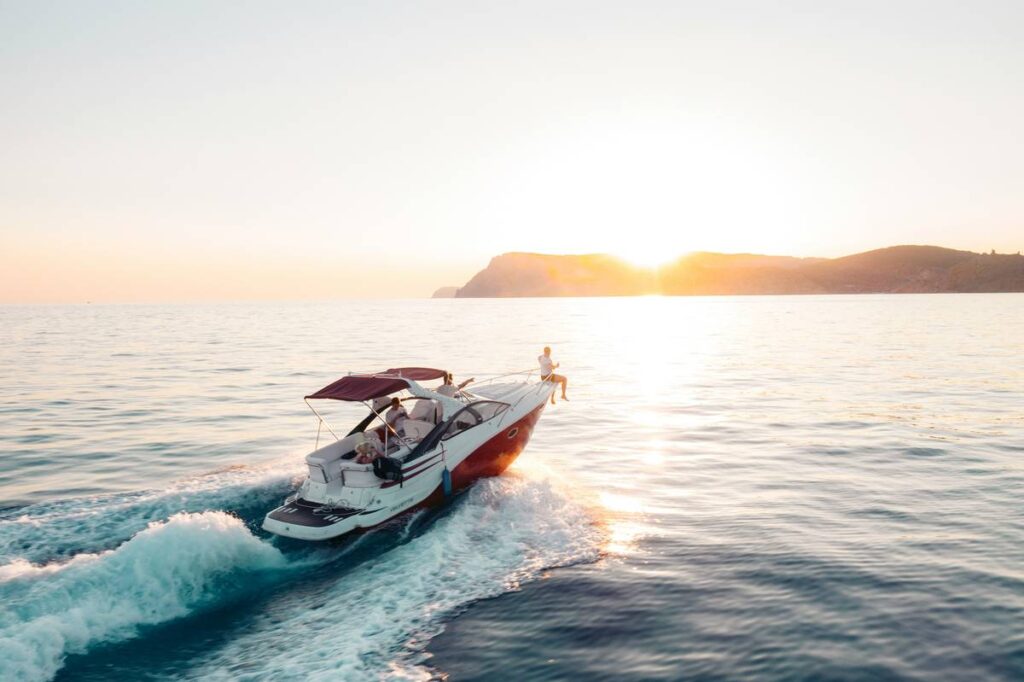
Ever rented a boat for a dream coastal getaway—only to return it looking like it survived a shipwreck? You’re not alone. Saltwater is brutal on marine equipment, and standard rental agreements rarely spell out who pays when corrosion eats through railings, engines, or electronics. If you’ve ever stared at a $3,000 damage invoice after a weekend charter, you know the panic. That’s where Saltwater Corrosion Coverage comes in—a niche but critical layer of travel insurance most renters overlook until it’s too late.
In this guide, we’ll cut through the fine print and show you exactly how to protect yourself, your wallet, and your peace of mind. From hidden policy gaps to real-world claims data, here’s everything you need to know before signing that rental contract.
Table of Contents
- Why Saltwater Corrosion Coverage Matters
- Step-by-Step Guide to Getting Covered
- Best Practices for Marine Protection
- Real Claims, Real Consequences
- Frequently Asked Questions
Key Takeaways
- Standard boat rental insurance often excludes gradual saltwater damage.
- Saltwater Corrosion Coverage must be explicitly added—it’s rarely included by default.
- Always document pre-rental condition with timestamped photos.
- U.S. Coast Guard guidelines recommend post-trip freshwater rinses—but that won’t fix hidden corrosion.
- Claims denied due to “lack of maintenance” are the #1 dispute in marine insurance.
Why Saltwater Corrosion Coverage Matters
Imagine this: You charter a 28-foot center console in Key West for a fishing trip. The water’s crystal clear, the sun’s perfect—and you remember to rinse the deck with freshwater afterward, just like the rental agent advised. But two weeks later, you get an email: “Corrosion detected on throttle controls and wiring harness. Liability: $2,450.” Why? Because salt doesn’t just cling to surfaces—it penetrates seals, creeps into connectors, and accelerates oxidation invisibly. By the time damage appears, it’s often too late.

According to the National Marine Manufacturers Association (NMMA), saltwater exposure increases metal degradation rates by up to 600% compared to freshwater environments. Yet most basic boat rental policies define “damage” as sudden or accidental—not gradual deterioration. That loophole leaves travelers holding the bag for repairs they never anticipated.
Step-by-Step Guide to Getting Covered
1. Confirm Your Rental Agreement’s Default Coverage
Don’t assume “full coverage” includes corrosion. Call the rental company and ask: “Does your insurance cover damage caused by saltwater exposure over the rental period?” Get the answer in writing via email.
2. Purchase a Supplemental Travel Insurance Policy
Use a specialized provider like World Nomads or Allianz Travel, which offer “marine activity add-ons.” Crucially, verify that “saltwater corrosion” or “environmental degradation” is explicitly listed as covered.
3. Document Everything Before Launch
Take 10+ high-res photos of all metal components: railings, engine block, electronics housings, and bilge areas. Note serial numbers if possible. This creates a baseline—if corrosion appears later, you can prove it wasn’t pre-existing.
4. Rinse Properly Post-Trip
Per U.S. Coast Guard recommendations, flush all systems with freshwater for at least 10 minutes using a low-pressure hose. Don’t skip interior compartments—they trap brine like sponges.
Best Practices for Marine Protection
- Avoid the “I’ll just use my credit card insurance” trap. Most premium cards exclude wear-and-tear claims, including corrosion. Check your card’s guide to benefits—you’ll likely find exclusions in tiny print.
- Never skip the post-rinse walkthrough with staff. Demand a joint inspection upon return. If they refuse, film the process on your phone.
- Prioritize rentals with closed-loop cooling systems. These circulate freshwater internally, reducing direct salt contact with engine parts—a design feature worth asking about upfront.
- Link policy details to our Privacy Policy when submitting personal info for quotes—your data should stay secure.
Real Claims, Real Consequences
Last summer, a couple from Denver rented a pontoon in San Diego Bay. They returned it clean, paid their deposit, and flew home. Three days later: a $4,200 claim for “corroded navigation panel.” They’d purchased supplemental travel insurance from IMG Global, which covered “gradual environmental damage” under its Adventure Pack rider. Their claim was approved within 11 days because they’d documented the pre-rental condition and had policy wording on file.
Contrast that with a Florida resident who relied solely on their rental company’s base policy. After similar damage, their claim was denied with the note: “Damage consistent with inadequate post-use maintenance.” No recourse, no refund. The difference? Explicit Saltwater Corrosion Coverage language in the policy.
Frequently Asked Questions
Does boat rental insurance typically include Saltwater Corrosion Coverage?
No. Standard policies treat corrosion as “progressive deterioration,” not accidental damage. You must add it separately.
Can I buy Saltwater Corrosion Coverage after renting the boat?
Generally, no. Most insurers require purchase before the rental begins. Always buy ahead of time.
Is freshwater rinsing enough to prevent claims?
Rinsing reduces risk but doesn’t eliminate it. Microscopic salt crystals remain in crevices. Coverage protects against residual damage rinsing can’t fix.
What’s the average cost of adding this coverage?
About $15–$30 per day, depending on vessel value and rental duration—far less than average repair bills ($2,000+).
Where can I compare policies that include this coverage?
Start with aggregators like InsureMyTrip.com, but always read the fine print. Check our About Us page to learn how we vet trusted partners.
Who should I contact if my claim is denied unfairly?
First, appeal in writing with evidence. If unresolved, file a complaint with your state’s insurance department. For personalized help, contact us—we’ve guided dozens through disputes.
Bottom line: Saltwater loves boats—but it loves eating them even more. Don’t let a postcard-perfect voyage end with a corrosion invoice. Get explicit Saltwater Corrosion Coverage, document relentlessly, and sail worry-free. And if you’re unsure whether your plan measures up? Reach out today—we’ll help you navigate the fine print before you cast off.