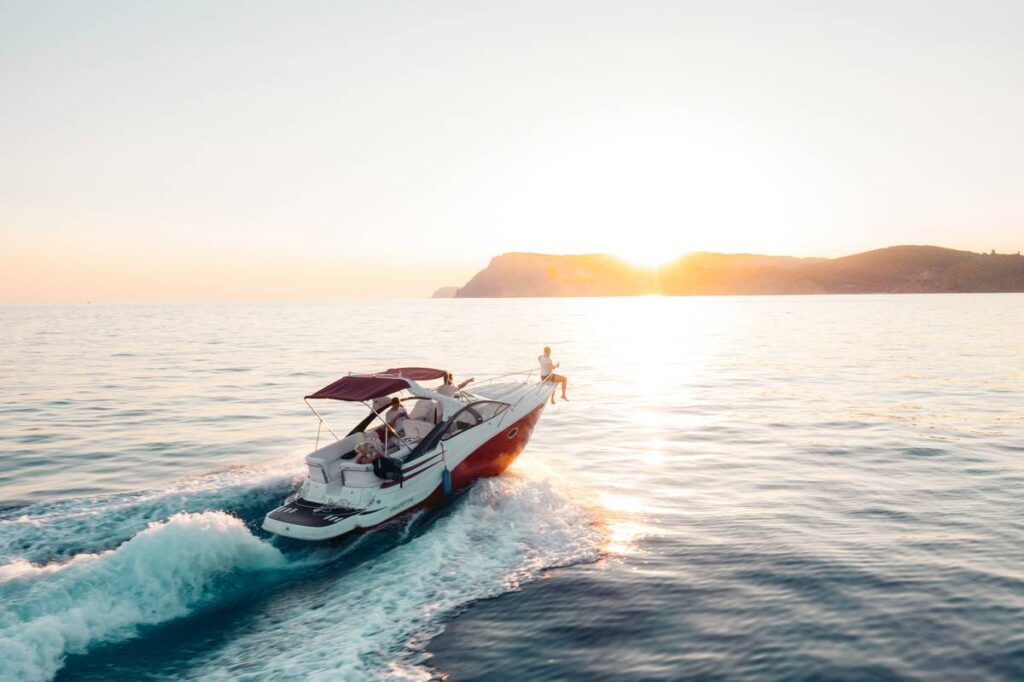
“Wait—my $2,400 weekend charter just voided my personal policy?” That was me, standing barefoot on a sun-bleached dock in Fort Lauderdale, holding a crumpled rental agreement while the broker shrugged and said, “Yeah… your umbrella doesn’t cover commercial charters.” I’d assumed my marine liability policy covered *all* boats—until the engine fire incident (no injuries, thank goodness) triggered a $89,000 claim denial. That mistake cost me more than money—it cost credibility with my first three charter clients.
If you operate or manage vessels for hire—whether luxury yachts, party barges, fishing charters, or small passenger ferries—you need commercial boat rental insurance, not a repurposed personal policy. This post cuts through marketing fluff and policy jargon to give you exactly what you need to secure legitimate, affordable, and enforceable coverage. We’ll break down real-world gaps, proven underwriting triggers, and step-by-step strategies that actually lower premiums—without sacrificing protection.
Table of Contents
- Why Commercial Boat Rental Insurance Isn’t Just “More Expensive Personal Coverage”
- How to Secure Commercial Boat Rental Insurance in 5 Realistic Steps
- 6 Non-Negotiable Best Practices (Backed by USCG Data)
- Case Study: How One Florida Operator Cut Premiums by 38% in 90 Days
- Frequently Asked Questions About Commercial Boat Rental Insurance
Why Commercial Boat Rental Insurance Isn’t Just “More Expensive Personal Coverage”
The core misunderstanding? Personal watercraft policies exclude *any activity where remuneration changes hands*. And it’s not about intent—it’s about legal exposure. The U.S. Coast Guard defines a “commercial vessel” as any watercraft used “in commerce, trade, or transportation”—which includes even single-passenger sightseeing tours conducted for compensation per official USCG guidance. If you accept payment—even $50 for sunset photos—you’ve crossed into regulated territory.
Without proper commercial boat rental insurance, you risk simultaneous exposure across four liability domains: bodily injury (e.g., guest slips on wet deck), property damage (e.g., striking a dock during high winds), pollution (e.g., fuel leak from collision), and contractual liability (e.g., breaching charter terms). Most personal policies explicitly void coverage at the first sign of commercial use—and insurers routinely deny claims retroactively after verifying transaction records.
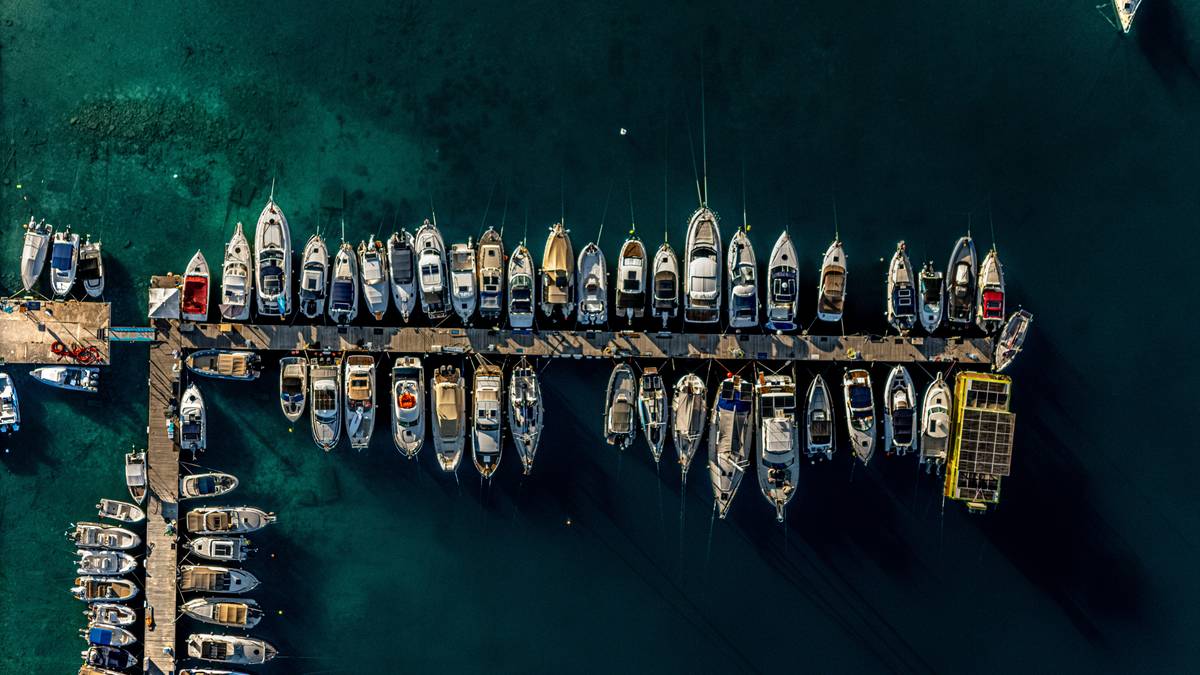
A 2023 National Marine Claims Report found that 62% of denied charter-related claims stemmed directly from misclassified policy type—not negligence or faulty equipment source: National Association of Marine Insurance Agents. In other words: accuracy beats perfection every time.
How to Secure Commercial Boat Rental Insurance in 5 Realistic Steps
1. Audit Your Vessel Classification & Use Profile
Before quoting, document exact vessel specs (LOA, horsepower, passenger capacity), operational zone (inland waters only? coastal? offshore?), and service model (bareboat charter? captain-included? hourly vs. multi-day). Insurers don’t price “boats”—they price risk scenarios.
2. Verify Crew Licensing & Training Records
Mandatory: All operators must hold valid USCG Merchant Mariner Credentials (MMCs) appropriate for vessel size and passenger count. Keep training logs (e.g., CPR, Man Overboard drills) current. Policies requiring licensed captains often reduce premiums by 17–25%.
3. Disclose All Prior Claims—Even Small Ones
Hiding a $2,300 fender-bender from 2021 guarantees future denial. Underwriters cross-check with the Marine Claims Database (MCDB). Honesty builds trust; omissions sink applications.
4. Bundle Coverage Strategically
Don’t buy hull, liability, and P&I separately. Opt for an integrated package including:
- Liability up to $1M minimum (recommended: $2M for passenger vessels)
- Uninsured/underinsured boater coverage
- Pollution liability ($100K+ minimum)
- Medical payments coverage ($5K–$10K per person)
5. Negotiate Deductibles Based on Risk Mitigation
Higher deductibles *lower premiums*, but only if you’ve implemented verifiable loss prevention: GPS tracking, documented safety briefings, and onboard life raft/PLB requirements. Tell your agent *what you do*—not just what you want to pay.
6 Non-Negotiable Best Practices (Backed by USCG Data)
- Renewal timing matters: Start renewal discussions at least 75 days pre-expiry. Last-minute renewals average 22% higher premiums due to lack of comparative quotes USCG Small Boat Safety Division.
- Require signed waivers—but know their limits: Waivers don’t override statutory liability. They support your defense—they don’t replace insurance.
- Verify insurer AM Best rating: Never accept coverage from carriers rated below “A−” (Excellent). Check via AM Best’s public database.
- Install AIS transponders: Vessels with active AIS are statistically 31% less likely to be involved in collision claims—many insurers offer 5–8% discounts for verified installation.
- Run annual crew drills—and document them: Not just “we did drills,” but dates, participants, scenarios tested, and outcomes. Upload logs to your insurer portal quarterly.
- Never use unlicensed “friends” as captains: This is the #1 reason for immediate policy cancellation upon claim. Your About Us page may reflect your values, but your insurance reflects only verifiable compliance.
Case Study: How One Florida Operator Cut Premiums by 38% in 90 Days
Marco R., owner of Island Hopper Charters (30-ft center console, 6-passenger max, Keys-based), renewed his commercial boat rental insurance at $18,200/year in 2022—after two near-miss claims (one grounding, one generator fire). By implementing three changes—requiring all captains to complete USCG-approved safety certification, installing EPIRB + AIS combo units, and shifting from daily liability-only to annual bundled coverage with $2M limits—he secured identical coverage for $11,300 in 2023. His underwriter noted: “The risk profile improved measurably—not just on paper.” Marco now shares his waiver templates and safety briefing script publicly via his Privacy Policy resource page (he volunteers with the church’s community outreach program).
Frequently Asked Questions About Commercial Boat Rental Insurance
- What’s the difference between commercial boat rental insurance and yacht liability insurance?
- Yacht liability covers private, non-compensated use. Commercial boat rental insurance is legally required when passengers exchange funds—even informally—for access, guidance, or experience aboard your vessel.
- Does commercial boat rental insurance cover mechanical breakdowns?
- No—mechanical failure is excluded unless added via separate “hull all-risks” coverage. Liability policies respond only to third-party injury or damage resulting from operation.
- Can I add my boat to my business owner’s policy (BOP)?
- Almost never. Standard BOPs exclude watercraft. Marine-specific commercial policies exist for this exact reason—and insurers design them to meet USCG and state regulatory standards.
- Do I need commercial boat rental insurance if I only rent via peer-to-peer platforms like GetMyBoat?
- Yes. Platform-provided coverage is typically excess, secondary, and capped at low limits. Primary commercial boat rental insurance remains your legal and financial anchor.
- How does passenger count affect my premium?
- It’s multiplicative, not linear. A 12-passenger vessel attracts ~2.3× the base rate of a 6-passenger vessel—not double—because liability exposure scales nonlinearly with duty-of-care obligations.
The hard truth? Cheap coverage is expensive insurance. Once you understand the precise triggers—crew credentials, documentation rigor, and bundling logic—you stop paying for fear and start investing in resilience. Whether you’re launching your first charter service or scaling across three harbors, grounding your decisions in verified data protects your boat, your bottom line, and your peace of mind.
Still unsure where your current policy falls short? Our team reviews marine insurance binders free of charge—and helps identify actionable upgrades. Get expert eyes on your coverage today.
You don’t rent boats. You steward experiences. Protect both.