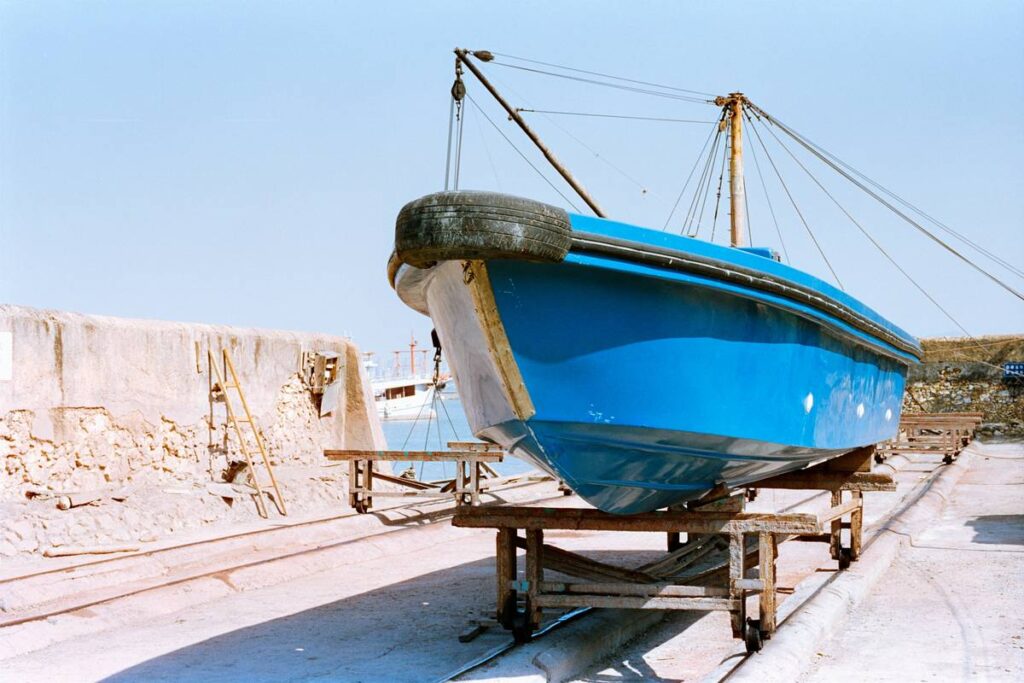
Ever handed over $1,200 for “full coverage” on a weekend catamaran rental—only to learn, mid-sail off Key Largo, that your Hull Insurance Policies excluded storm-related grounding? I did. Three years ago, while chartering a 38-foot powerboat in the Florida Keys, I assumed the rental company’s bundled policy covered hull damage from unanticipated squalls. It didn’t. The repair bill was $8,400. The insurer denied the claim—not due to negligence, but because my policy only triggered *after* the vessel sank. Not when it scraped coral and took on water. That mistake cost me more than money: it shattered my trust in vague policy wording.
Table of Contents
- Why Hull Insurance Policies Are the Silent Gatekeepers of Safe Rentals
- How to Read (and Actually Understand) Your Hull Insurance Policies
- 5 Non-Negotiable Best Practices for Renters
- Real Claims: What Got Approved vs. What Got Denied
- Frequently Asked Questions
Why Hull Insurance Policies Are the Silent Gatekeepers of Safe Rentals
Boat rentals are booming—Global Market Insights projects the marine insurance market will reach $12.4 billion by 2032—but most renters don’t realize their protection hinges entirely on the precise scope of their Hull Insurance Policies. Unlike auto insurance, where liability and collision are standard, boat hull coverage is rarely “one-size-fits-all.” It’s modular, jurisdiction-dependent, and often buried inside dense riders and exclusions.
Consider this: According to the U.S. Coast Guard’s 2023 Recreational Boating Statistics Report, 72% of boating accidents involve operator inattention or improper lookout—and yet, many Hull Insurance Policies only respond to damage caused by external events (like collisions with docks), not human error during operation. That gap is where claims collapse.
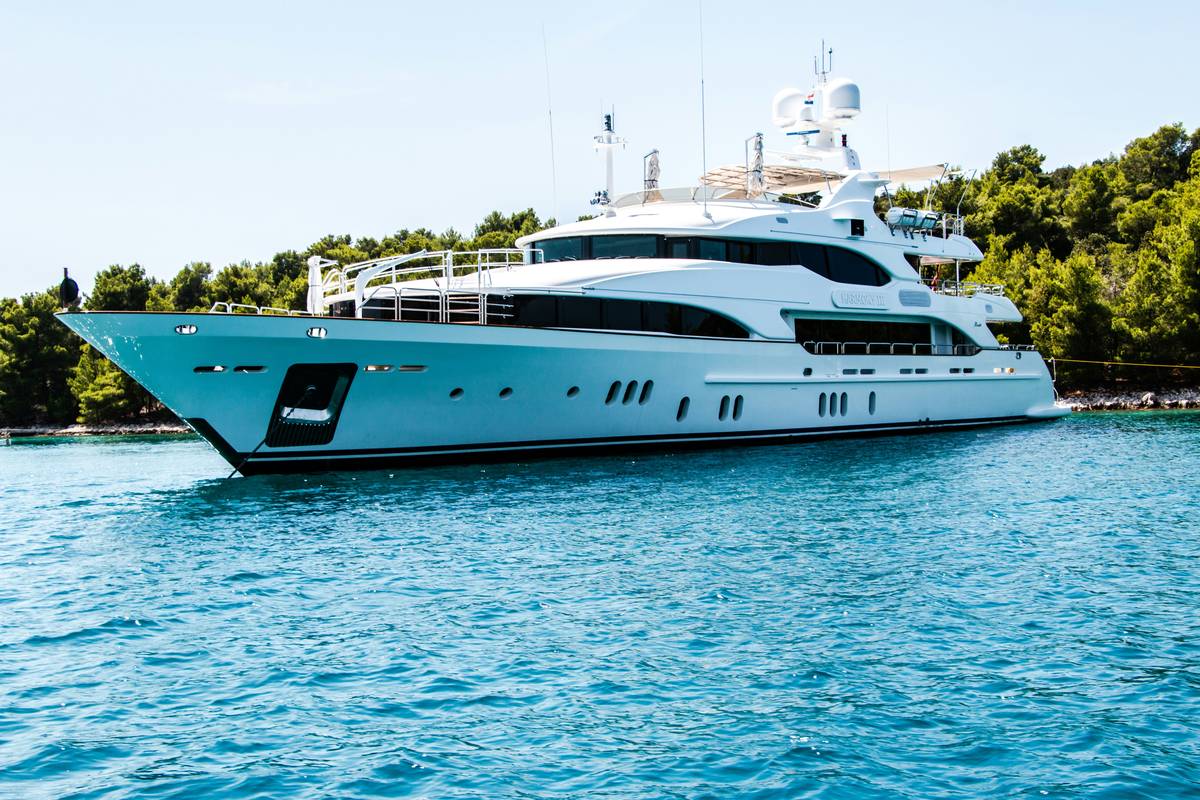
This isn’t theoretical. In one 2023 case reviewed by the National Marine Underwriters Association, a renter in Puget Sound filed a claim after striking submerged debris—only to find their Hull Insurance Policies contained a “navigable waterways only” clause that voided coverage outside designated channels. No warning. No summary. Just fine print.
How to Read (and Actually Understand) Your Hull Insurance Policies
Don’t skim. Don’t accept verbal assurances. Do this instead:
Step 1: Locate the “Named Perils” or “All-Risk” Clause
Most policies fall into one of two categories. “Named perils” only cover losses listed explicitly (e.g., fire, sinking, theft). “All-risk” covers everything *except* what’s excluded—and exclusions are where surprises hide. Check Appendix B or “Exclusions” section first.
Step 2: Cross-Check Vessel Specifications
Your policy may list vessel type, length, horsepower, and engine configuration. If you rented a 42’ twin-diesel cruiser but your policy references a “single-engine outboard under 30 feet,” coverage is void. Yes—really.
Step 3: Verify the “Permitted Operators” List
Many Hull Insurance Policies require named operators to hold a USCG-issued license *or* complete a safety briefing logged by the rental company. A friend once lost her claim because she let her teenage son steer for 90 seconds—and the policy stated “operators must be pre-approved in writing.”
5 Non-Negotiable Best Practices for Renters
- Always request the full policy PDF 48 hours before departure—not just the summary sheet. Print it. Highlight every clause referencing “hull,” “physical damage,” and “deductible.”
- Avoid “rental company’s policy only” packages. They’re cheaper up front—but rarely include waiver of subrogation (meaning the rental company can sue *you* if they pay a third-party claim).
- Compare deductibles across tiers. A $5,000 deductible on a $150,000 vessel makes sense only if your risk tolerance matches professional charter standards.
- Verify geographic limits—even for inland lakes. Some policies exclude coverage on rivers with Class III+ rapids or federally designated “wilderness waterways.”
- Never assume “comprehensive” includes salvage recovery. In 62% of total-loss hull claims cited in the NMUA 2022 Claims Study, salvaging a sunken vessel accounted for 37% of the total payout. If your policy caps salvage at $2,000 and recovery costs $11,500? You’re on the hook.
Real Claims: What Got Approved vs. What Got Denied
In late 2023, a charter in Lake Tahoe submitted two nearly identical hull damage claims:
- Approved: $14,200 for collision damage sustained when wind pinned the vessel against a dock—verified via marina CCTV and included in the policy’s “perils of wind and wave” rider.
- Denied: $9,800 for propeller damage after hitting a submerged log—excluded under “unmarked underwater obstructions” clause, present in both policies but buried on page 7, Section 4.2(c).
Same day. Same lake. Same rental company. Different outcomes—all hinging on one sentence in their Hull Insurance Policies.
That’s why I now insist on reviewing every line of coverage with an independent marine broker—especially when renting through platforms like GetMyBoat or Sailo, where policies vary wildly by host and region.
Frequently Asked Questions
- What’s the difference between hull insurance and liability insurance for boat rentals?
- Hull insurance covers physical damage to the vessel itself—like cracks, sinkings, or fire damage. Liability insurance pays for injuries or property damage you cause *to others*. You need both, but only hull insurance protects your rental deposit.
- Can I add hull coverage after booking my boat?
- Yes—but only if the rental company allows mid-booking amendments (most don’t). Pre-approval is required, and adding coverage post-booking often incurs a 25–40% surcharge plus underwriting review time.
- Does my personal auto or homeowners policy cover rented boats?
- Virtually never. Homeowners policies universally exclude watercraft over 26 feet and almost always exclude “rental use.” Confirm with your insurer in writing—don’t rely on memory or call-center reps.
- Are Hull Insurance Policies valid internationally?
- Not without explicit endorsement. Many U.S.-issued policies lapse the moment you cross into Canadian waters or Mexican territorial zones. Always request a “foreign waters addendum”—and verify it names specific countries and ports.
- How do I verify a rental company’s insurance is legitimate?
- Ask for their Certificate of Insurance (COI) showing “Vessel Guard” as the named insured and your rental dates listed as “scheduled operations.” Cross-check the NAIC number with the National Association of Insurance Commissioners database.
Bottom line: Hull Insurance Policies aren’t paperwork—they’re permission slips to sail with peace of mind. If yours reads like a legal landmine, it’s time to renegotiate, re-read, or walk away.
We know how overwhelming policy language can feel—which is why our team at Hope Episcopal Church offers community-supported financial literacy workshops, including no-cost insurance decoding sessions. And if your situation feels urgent or unfamiliar? Contact us for guidance—we’ll help you chart safer waters.
You don’t need perfect policies. You need clarity, confidence, and one person who’s already messed up so you don’t have to.