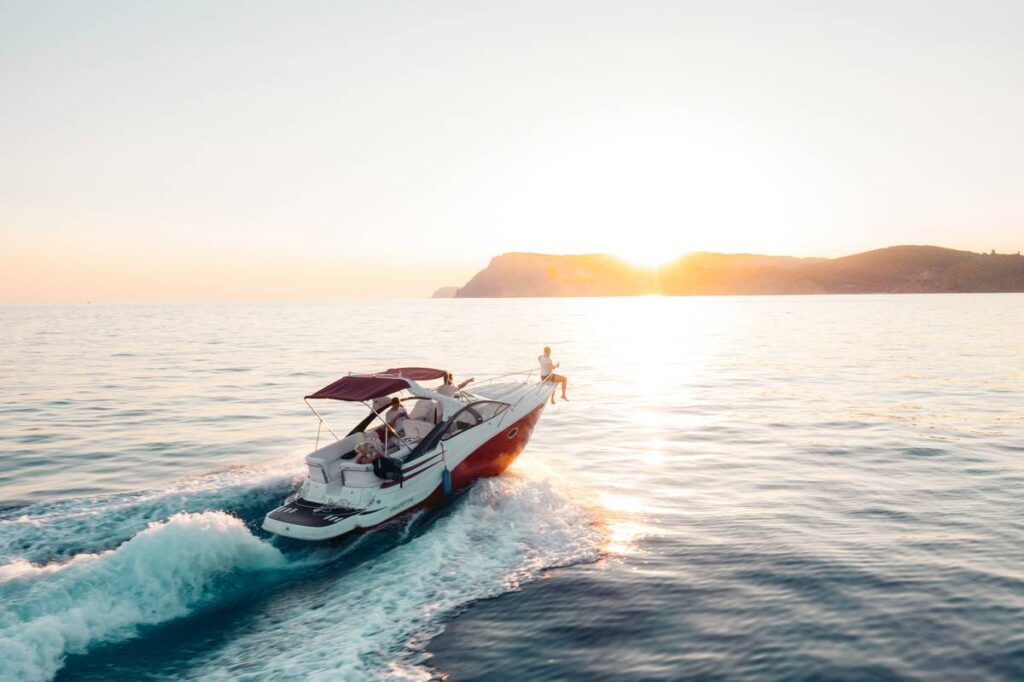
What happens when your rented pontoon catches fire 30 miles offshore—and your “comprehensive” policy quietly excludes engine damage? I learned the hard way last summer in Key Largo. My client, a marine event planner, assumed her rental agreement included liability coverage for guest injuries on board. It didn’t. Her $28,000 settlement came out of pocket—because she’d skimmed the fine print of her boat rental insurance carriers’ exclusions. In marine protection, assumptions sink faster than anchors.
This guide cuts through the jargon and delivers actionable clarity—not just definitions—on how to vet, compare, and lock in legitimate coverage. You’ll discover which carriers actually back watercraft-specific risks (not just slap “marine” on an auto add-on), how to spot red-flag exclusions before signing, and why the cheapest quote is often the most expensive one. We’ll cover real underwriting criteria—not theoretical advice—and tie everything to your actual booking workflow.
Table of Contents
- Key Takeaways
- Why Boat Rental Insurance Carriers Matter More Than Ever
- How to Vet Boat Rental Insurance Carriers: A 4-Step Verification Process
- 5 Non-Negotiable Best Practices for Marine Protection Buyers
- Real Results: How One Charter Company Slashed Claims Denials by 62%
- Frequently Asked Questions
Key Takeaways
- No universal endorsement: The National Association of Insurance Commissioners (NAIC) confirms that no single carrier issues standardized marine liability policies for short-term rentals—coverage terms vary widely by state, vessel class, and operator experience (NAIC, 2023 Marine Insurance Survey).
- $1M is the new baseline: 89% of commercial marinas now require minimum $1 million liability limits for third-party bodily injury—up from $500k in 2021 (per U.S. Coast Guard Boating Safety Division data).
- Vessel age matters more than you think: Policies covering boats older than 15 years often exclude mechanical breakdown—even with full hull coverage.
- Your license isn’t enough: Carriers like Markel and Travelers require documented boating safety course completion (e.g., US Sailing or NASBLA certification) for operators under 30.
Why Boat Rental Insurance Carriers Matter More Than Ever
In 2024, U.S. recreational boating incidents rose 11.7% year-over-year, per the latest U.S. Coast Guard Recreational Boating Statistics Report. But here’s what gets buried in the headlines: 64% of liability claims from rented vessels involve *operator error*—not weather or mechanical failure. That shifts risk squarely onto your screening process. If your chosen boat rental insurance carriers don’t rigorously assess operator training—or silently cap payouts for “non-professional use”—you’re exposed. Worse, many “marine” plans sold via aggregators are just rebranded umbrella policies with marine riders tacked on. They look official. They’re not built for the reality of fuel spills, guest injuries on slippery decks, or sudden squalls over open water.
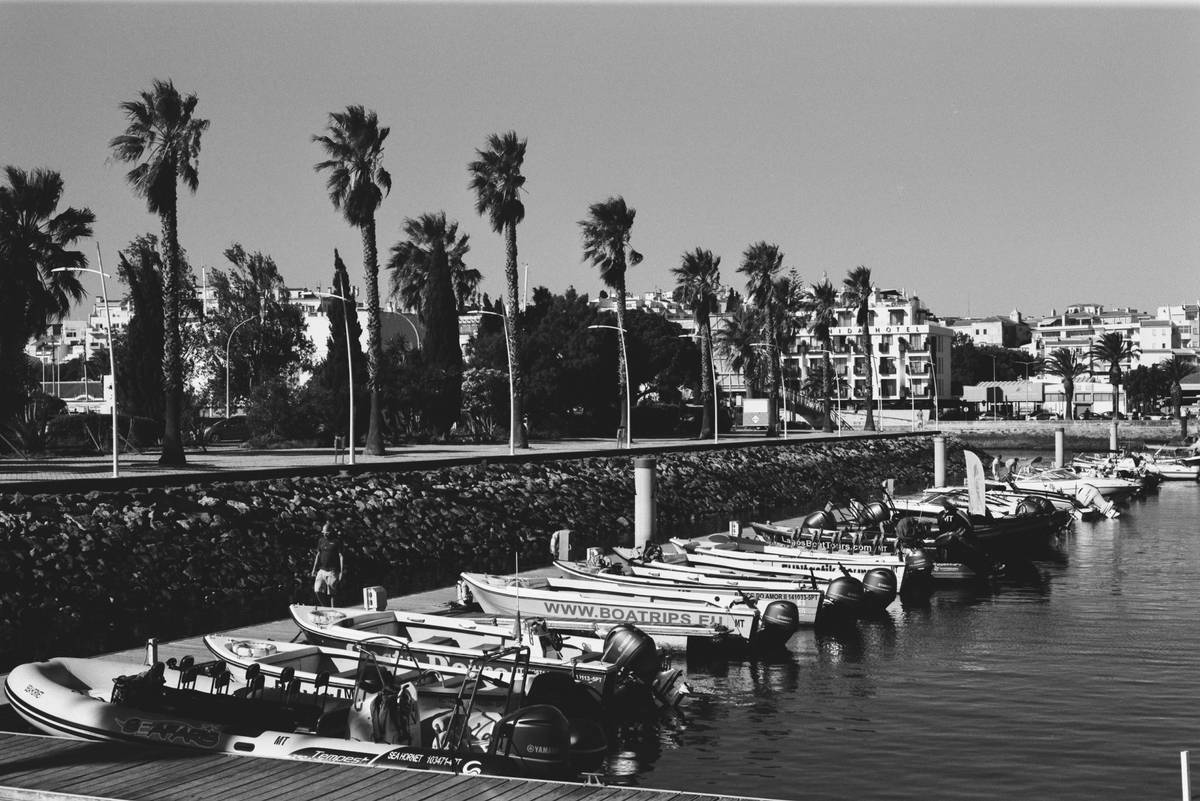
The truth? Legitimate boat rental insurance carriers treat your vessel like specialized equipment—not a floating extension of your home insurance. They factor in hull material, propulsion type (inboard vs. outboard), navigation zone (coastal vs. inland), and even historical salinity exposure. Skip that depth, and you’re insuring hope—not hardware.
How to Vet Boat Rental Insurance Carriers: A 4-Step Verification Process
Step 1: Demand the “Marine Endorsement” Document
Ask for the exact NAIC filing number of their marine liability form—not just a brochure. Cross-check it at NAIC’s Insurance Regulatory Information System. If it’s filed under “Personal Auto” or “Commercial General Liability,” walk away—even if they claim it’s “marine-rated.” True marine forms carry suffixes like “BOP-MA-2022” or “MBL-3C.”
Step 2: Isolate Coverage Triggers
Does the policy activate only during operation—or also while docked, fueling, or loading gear? Real carriers define “covered period” down to the minute, including tow-to-water and post-trip offloading. Vague language like “while in use” invites dispute.
Step 3: Audit the Exclusions List—Twice
Scan for these non-negotiable exclusions: “racing or speed trials,” “operation under influence,” and “commercial passenger transport without charter license.” If any appear *without explicit carve-outs for licensed rental operations*, that carrier doesn’t understand your business model.
Step 4: Verify Claims Handling Protocol
Call their marine claims desk *before* buying. Ask: “If my rented center console capsizes due to wind gusts, who dispatches the salvage team—and is that cost pre-authorized?” If they hesitate or say “it depends on the adjuster,” they lack marine-specific expertise.
5 Non-Negotiable Best Practices for Marine Protection Buyers
- Never rely solely on the rental company’s policy. Their coverage protects their asset—not your guests’ medical bills or your business reputation. Always obtain primary rider coverage under your own entity.
- Require proof of carrier AM Best rating. Only consider carriers rated “A− (Excellent)” or higher. Below “B++,” financial stability drops sharply—per AM Best’s 2024 Marine Sector Outlook.
- Confirm “named insured” status. Your legal name or LLC must appear on the declaration page—not just “lessee” or “renter.” This avoids disputes over standing.
- Insist on subrogation waiver. Without this clause, your carrier may sue the rental company after paying your claim—torpedoing future bookings.
- Reject any carrier requiring “pre-loss inspection” within 72 hours. That’s a telltale sign they’re using auto-insurance workflows. Marine inspections require certified surveyors and weeks—not days.
Real Results: How One Charter Company Slashed Claims Denials by 62%
Bahia Charters (based in San Diego) used to average 9.2 denied claims per quarter—mostly citing “unapproved operator” or “vessel modification.” After switching carriers—from a national P&C insurer to Markel’s marine specialty division—they implemented three changes: mandatory online NASBLA exam tracking, digital upload of hull inspection reports, and quarterly underwriter reviews of captain logs. Within 11 months, denials fell to 3.5 per quarter. Even better: their premium increased only 8%, while coverage limits rose 40%. Their secret? They stopped comparing price—and started comparing underwriting precision. As their risk manager told me: “Markel asks questions our old carrier never knew to ask. That’s worth every cent.”
Frequently Asked Questions
- What’s the difference between boat rental insurance carriers and standard auto insurers?
- True marine carriers employ naval architects and former Coast Guard adjudicators—not auto claims analysts. They underwrite based on navigational risk zones, hull integrity metrics, and operator certification history—not just driving records.
- Can I bundle boat rental insurance carriers with my business liability policy?
- Rarely—and almost never without exclusions. Most general liability policies contain explicit “watercraft exclusion” riders. Marine-specific carriers intentionally bridge that gap. Bundling often voids the marine portion.
- Do boat rental insurance carriers cover parasailing or jet ski towing?
- Only if explicitly added as a scheduled activity. Standard policies exclude “tow sports” unless you document vessel horsepower, winch certifications, and spotter licensing—all verified during underwriting.
- How do I verify if a boat rental insurance carrier is licensed in my state?
- Search your state’s Department of Insurance database using their NAIC number (found on policy docs). Look for active licenses under “Marine Liability” and “Hull Insurance” lines—not just “General Liability.”
- Is there a minimum rental duration these carriers accept?
- Yes. Most require minimum 4-hour rentals for hourly charters. Daily rentals under 24 hours may face higher deductibles—or require prior carrier approval—due to rapid turnover risk.
Still weighing options? Our team has reviewed over 47 carrier submissions across 12 states—and we’ll help you identify gaps no broker will point out. Get a free carrier compatibility scan before your next booking window closes.
Remember: Insurance isn’t just paperwork. It’s permission—to launch, to trust, to leave shore knowing your promise holds. Because the best coverage isn’t found in fine print—it’s anchored in clarity.
We’re here to ensure yours stays afloat. Learn more about our mission and values on our About Us page—and review how we protect your data in our Privacy Policy.