Ever jumped on a last-minute boat rental, cruising through turquoise waters, only to realize—too late—that your credit card’s “insurance” didn’t cover that $10,000 dent you accidentally put in the hull? Yeah, me too. Boat rental insurance for renters isn’t just fine print—it’s your financial lifeline when things go sideways on open water. In this guide, we’ll cut through the jargon and give you actionable, real-world advice to protect yourself, your wallet, and your peace of mind while enjoying marine adventures. You’ll learn what coverage actually matters, common pitfalls (including one I learned the hard way), and how to choose a policy that won’t leave you stranded.
Table of Contents
- Why Boat Rental Insurance for Renters Matters
- Step-by-Step Guide to Securing Coverage
- Best Practices When Buying Protection
- Real-World Cases & Lessons Learned
- Frequently Asked Questions
Key Takeaways
- Standard personal policies rarely cover rented watercraft—always verify before departure.
- Collision damage waivers (CDWs) offered by rental companies often exclude major risks like third-party liability.
- Independent travel insurance with marine add-ons can be cheaper and more comprehensive.
- Document everything—photos, contracts, weather conditions—at pickup and drop-off.
- Never assume your homeowner’s or auto insurance extends to rented boats without written confirmation.
Why Boat Rental Insurance for Renters Matters
Unlike renting a car, where your personal auto policy might offer some backup, most homeowner’s, renter’s, or travel insurance plans explicitly exclude motorized watercraft over a certain horsepower—or any rented vessel at all. According to the U.S. Coast Guard, there were over 4,000 reported boating accidents in 2023 alone, resulting in significant property damage and liability claims. Without proper coverage, you’re personally on the hook for repairs, medical bills, or even lawsuits if someone gets hurt.
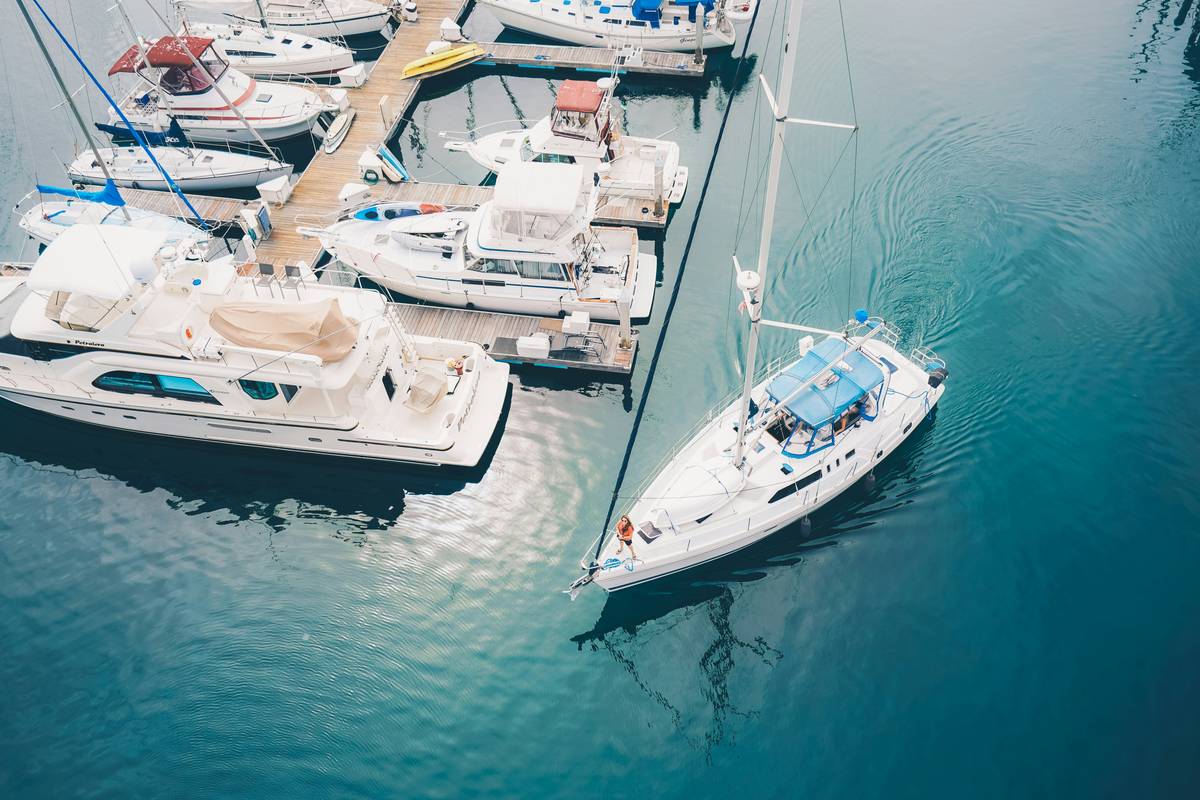
I learned this the painful way during a weekend trip to the Florida Keys. I skipped the rental company’s $35/day “full coverage” option, assuming my premium travel card included it. It didn’t. When a sudden squall pushed my pontoon into a dock, causing $8,200 in damage, I paid every penny out of pocket. Lesson burned in: never assume. Always confirm in writing.
Step-by-Step Guide to Securing Coverage
1. Review Your Existing Policies First
Contact your homeowner’s, renter’s, and credit card providers. Ask specifically: “Does this policy cover physical damage and third-party liability for rented motorboats under 25 feet?” Get the answer in email form.
2. Understand Rental Company Options
Most marinas offer a Collision Damage Waiver (CDW) or Loss Damage Waiver (LDW). But read the fine print—these often don’t cover negligence, towing, environmental fines, or injuries to others. The National Association of Marine Surveyors notes that CDWs typically cap liability at $300,000, far below potential damages in serious incidents.
3. Compare Third-Party Travel Insurance
Specialized providers like Allianz Travel or World Nomads offer add-on marine protection. These often include emergency towing, salvage, pollution liability, and medical evacuation—features missing from basic rental waivers. Compare premiums using aggregator sites like InsureMyTrip (insuremytrip.com).
Best Practices When Buying Protection
- Always opt for liability coverage: Even if the boat is undamaged, injuring another boater or swimmer could cost millions.
- Check operator requirements: Some states (like California and Florida) mandate minimum liability limits for rented vessels—confirm local laws via the U.S. Coast Guard Boating Safety site.
- Avoid this terrible tip: “Just rely on the rental company’s basic waiver.” That’s how people end up bankrupt after a single docking mishap.
- Photograph pre-existing damage: Take timestamped photos of every scratch, stain, and ding before casting off.
Real-World Cases & Lessons Learned
In 2022, a family in Lake Tahoe rented a ski boat without supplemental insurance. During a turn, their child fell overboard and suffered a concussion after hitting the propeller guard. The rental company’s waiver excluded personal injury, leaving the parents liable for $22,000 in medical bills. Conversely, a solo traveler in Maine purchased a $49 marine add-on through her travel insurer. When fog caused a minor collision, she filed a claim covering $6,500 in hull repairs—with zero deductible.
These outcomes hinge on one decision: whether “boat rental insurance for renters” was treated as an afterthought or a non-negotiable. At Hope Episcopal Church, we may not sell policies, but we believe in informed choices—because peace shouldn’t sink with the tide.
Frequently Asked Questions
Does my regular travel insurance cover rented boats?
Rarely. Most standard policies exclude watercraft. Look for explicit “rental watercraft” or “marine activity” coverage.
Is boat rental insurance for renters required by law?
Not federally, but many states and rental operators require proof of liability coverage—typically $300,000 minimum.
Can I get coverage for a same-day rental?
Yes. Providers like IMG Global offer instant digital policies, though waiting periods may apply for certain benefits.
What’s not covered under typical policies?
Racing, operating under influence, unlicensed operation, and damage from ignoring weather warnings are commonly excluded.
Do I need insurance for non-motorized rentals (kayaks, paddleboards)?
Generally no—but if you injure someone, personal liability coverage (from a homeowner’s policy or umbrella plan) is wise.
If you’re still unsure about your coverage needs, reach out directly—we’re happy to help clarify options. Just visit our Contact Us page. And remember, sharing personal details online? Review our Privacy Policy first.
Saltwater heals, but uncovered losses sting longer. Don’t let a perfect day on the water become a decade of debt. Secure your boat rental insurance for renters—before you untie the lines.