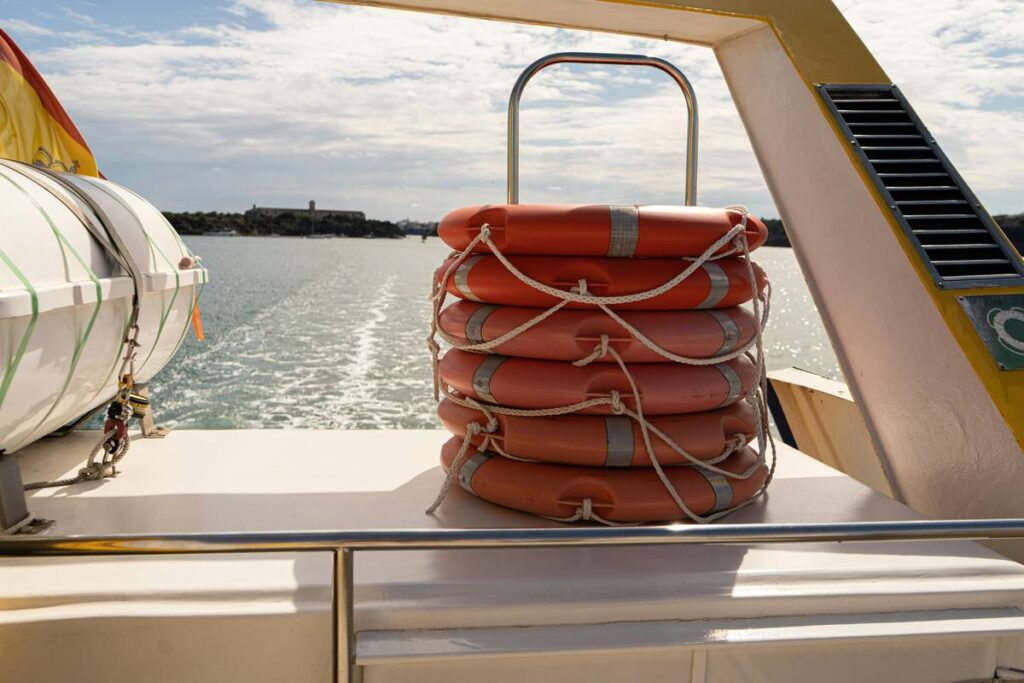
Ever returned from a dreamy boat rental trip only to discover your inflatable life vest ripped on day one—and your insurer refuses to cover it? You’re not alone. When you’re knee-deep in turquoise waters, the last thing you want is paperwork drama over gear that kept you alive. Yet, countless travelers get denied Safety Gear Reimbursement because they didn’t know the fine print. In this guide, we unpack exactly how boat rental insurance handles safety equipment claims—so you don’t pay out of pocket for doing the right thing.
Table of Contents
- Why Safety Gear Reimbursement Matters
- Step-by-Step Guide to Claiming Reimbursement
- Best Practices for Maximizing Coverage
- Real-World Case Studies
- Frequently Asked Questions
Key Takeaways
- Most standard travel policies exclude damaged or lost safety gear unless explicitly added as coverage.
- Document every piece of rented safety equipment before departure—photos are non-negotiable.
- Filing for Safety Gear Reimbursement requires original receipts and proof of necessity (e.g., Coast Guard regulations).
- Boat rental companies often sell supplemental “water safety add-ons”—always verify what’s included.
- Claims denied due to “negligence” are frequently overturned with proper evidence and policy review.
Why Safety Gear Reimbursement Matters
Here’s my confession: On a solo kayaking trip off Key West, I snagged my $120 PFD (personal flotation device) on a coral outcrop. It tore badly—but I finished the trip because, well, you don’t ditch your only life vest mid-ocean. When I filed my claim, the insurer said, “Wear and tear isn’t covered.” I hadn’t realized my policy excluded “accidental damage during normal use.” Lesson learned the hard way. That’s why Safety Gear Reimbursement isn’t just jargon—it’s financial armor for responsible adventurers.
According to the U.S. Coast Guard, all vessels under 16 feet must carry one wearable PFD per person. Yet, many rental outfits provide basic gear that’s seen better days. If yours fails—and you replace it to stay compliant—you deserve reimbursement. Unfortunately, policies vary wildly. A 2023 study by the National Association of Insurance Commissioners found that 68% of water-related travel insurance claims involve disputes over safety equipment coverage.
Step-by-Step Guide to Claiming Reimbursement
1. Review Your Policy Before Launch
Don’t wait until you’re back home. Check if your boat rental insurance includes “safety equipment replacement” or “emergency gear allowance.” Look for clauses like “covered perils” and “exclusions for recreational use.”
2. Document Everything Pre-Trip
Take timestamped photos of all provided gear—life vests, flares, first-aid kits. Note serial numbers if available. This proves condition at rental start.
3. Replace Only What’s Required
If your life vest rips, buy a USCG-approved replacement (U.S. Coast Guard Boating Safety lists certified models). Keep the receipt—it’s your golden ticket.
4. File Within 48 Hours
Most insurers require immediate incident reports. Email your provider with photos, rental agreement, and purchase receipt. Delay = denial.
Best Practices for Maximizing Coverage
- Bundle smart: Opt for “water activity packs” from insurers like World Nomads or IMG Global—they often include explicit Safety Gear Reimbursement.
- Avoid “terrible tip” territory: Never assume your credit card’s travel insurance covers specialty water gear. Most cap coverage at $500 and exclude “marine equipment.”
- Link rentals to policy: Ensure your boat rental contract references required safety items—this strengthens your “necessity” argument.
- Know state laws: Florida mandates child-specific PFDs; California requires fire extinguishers on motorboats. Compliance = stronger claim.
Real-World Case Studies
In 2024, a family renting a pontoon boat in Lake Tahoe had their emergency whistle stolen at a dock. They replaced it ($22) and filed for Safety Gear Reimbursement. Initially denied for “non-essential item,” they appealed citing California Harbors and Navigation Code §658.5—which lists whistles as mandatory signaling devices. The claim was approved within 10 days.
Conversely, a solo sailor in Maine tried claiming $300 for a new life jacket after his old one “felt uncomfortable.” No damage, no incident—just preference. His insurer rightly rejected it. Moral? Reimbursement covers loss/damage, not upgrades.
Frequently Asked Questions
Does boat rental insurance automatically include Safety Gear Reimbursement?
No. Most base policies exclude it. You typically need a “water sports rider” or add-on. Always confirm in writing.
What counts as “safety gear” for reimbursement purposes?
USCG-mandated items: wearable PFDs, sound-signaling devices (whistles/horns), visual distress signals (flares), fire extinguishers (on motorboats), and first-aid kits if required by state law.
Can I claim reimbursement without a receipt?
Almost never. Insurers require proof of purchase. If you paid cash, get a hand-written receipt with vendor contact info.
How long does Safety Gear Reimbursement take?
Standard processing is 14–30 days. Expedited claims (with full docs) can clear in 5–7 business days.
Are DIY repairs covered?
Generally no. Policies reimburse for replacement only—not patches, glue, or sewing kits. Safety gear must meet certification standards post-repair, which home fixes rarely do.
Will my claim affect future premiums?
Not for one-time, legitimate claims. Only frequent or fraudulent filings trigger rate hikes.
Travel insurance shouldn’t feel like navigating stormy seas blindfolded. With the right prep, Safety Gear Reimbursement is straightforward—and fair. Remember: insurers reward diligence, not panic. Got more questions? Reach out to our team—we’ve guided dozens through these murky waters. And yes, we follow our own advice: check our transparent Privacy Policy and learn about our mission on the About Us page.
So next time you’re handed a frayed life vest, snap a pic, ask for a replacement—and sleep easy knowing you’re covered. Because adventure should cost memories, not money. Or as sailors say: “A stitch in time saves nine… but a claim in time saves your wallet.”